
Export & Shipping
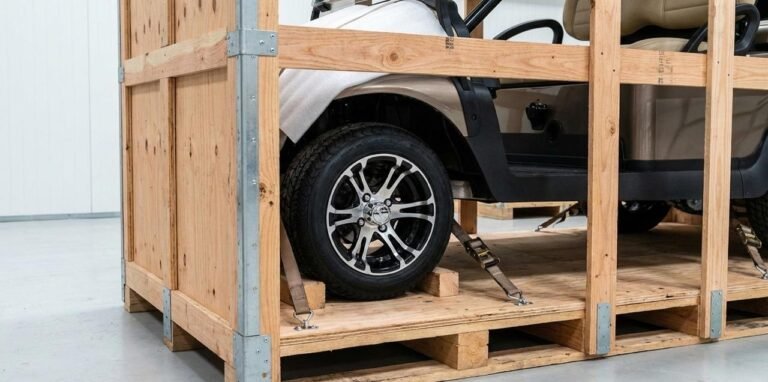
RoRo vs Container Shipping for Golf Carts: Which Should You Choose?
How RoRo and container shipping work for golf carts, how they compare on protection, cost and routes, and which one fits your export order.
U.S. golf cart chargers are built for 110–120V. Here is what changes when you export a cart to a 220–240V country, and how to set up charging correctly.
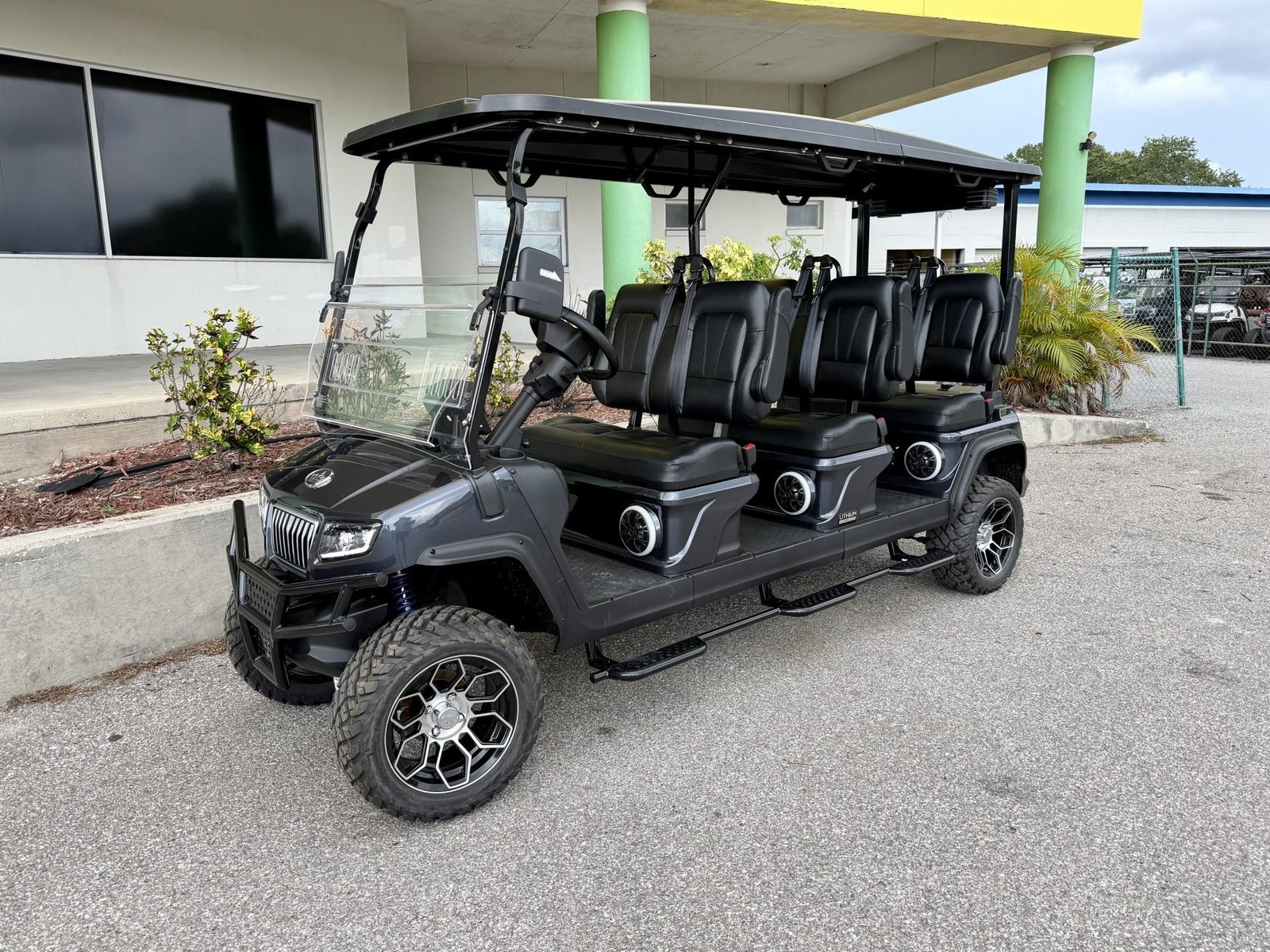
Charging is the detail export buyers most often forget. The cart itself does not care which country it is in, but the charger has to work with your local power supply. This guide explains what changes outside the U.S. and how we set up the charger for your market.
In the U.S., standard household outlets supply 110 to 120 volts. Much of Europe, Asia, Africa and Australia uses 220 to 240 volts. Plug shapes differ from country to country too. Plugging a charger into a supply it was not designed for can stop it working or damage it, so the charging setup has to match your country.
| United States | Many export markets | |
|---|---|---|
| Household voltage | 110 to 120V | 220 to 240V |
| Plug type | Type A and B | Varies by country, for example Type C, F or G |
| What to check | Nothing extra | Charger input voltage and plug |
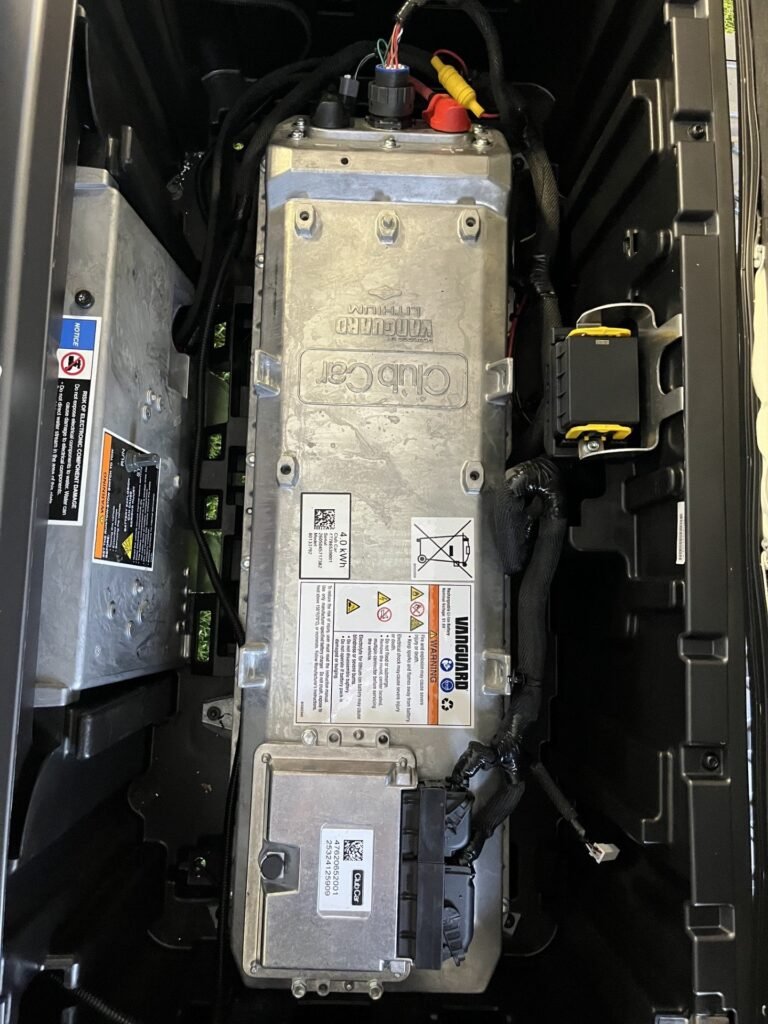
Many modern lithium carts have an onboard charger: the charger is built into the cart, and you plug a power cord into the cart itself. Others use an offboard charger, a separate unit that sits in your garage and plugs into the cart. Both can be set up for export. The difference is where the voltage check happens: on the cart's built-in charger, or on the separate unit.
Lithium and lead-acid batteries charge differently, so each needs a charger made for its chemistry. Never swap in a charger from another cart or another battery type. If you replace a charger abroad, use one approved for your cart's battery and voltage.
More on charging at home: how to charge a lithium golf cart.
Planning an export order? Read how to buy a golf cart from the USA and ship it abroad and RoRo vs container shipping, or see worldwide shipping.
Not always. U.S. chargers are designed for 110 to 120V, and most of Europe uses 220 to 240V. Some chargers accept both; others need a charger made for your market or a suitable converter. We confirm this before shipping.
A plug adapter only changes the plug shape, not the voltage. It works only if the charger already accepts your local voltage.
Yes. Lithium batteries need a charger made for lithium. Do not use a lead-acid charger on a lithium cart.
We confirm the right charger or adapter for your market before you order and include it in your quote.
Keep reading
How RoRo and container shipping work for golf carts, how they compare on protection, cost and routes, and which one fits your export order.
How buying a new golf cart in the U.S. and shipping it abroad works: the steps, container vs RoRo, export documents, landed costs and what to check in your country.
A 10-step golf cart buying checklist: seats, layout, power, height, street legal, budget, brand, warranty, delivery and getting a written quote.
Questions about this article?
Tell us what you need and where it's going. We'll reply with the best matches and a delivered price.