

Export & Shipping
Golf Cart Chargers and Voltage for Export: What You Need to Know
U.S. golf cart chargers are built for 110–120V. Here is what changes when you export a cart to a 220–240V country, and how to set up charging correctly.
How RoRo and container shipping work for golf carts, how they compare on protection, cost and routes, and which one fits your export order.
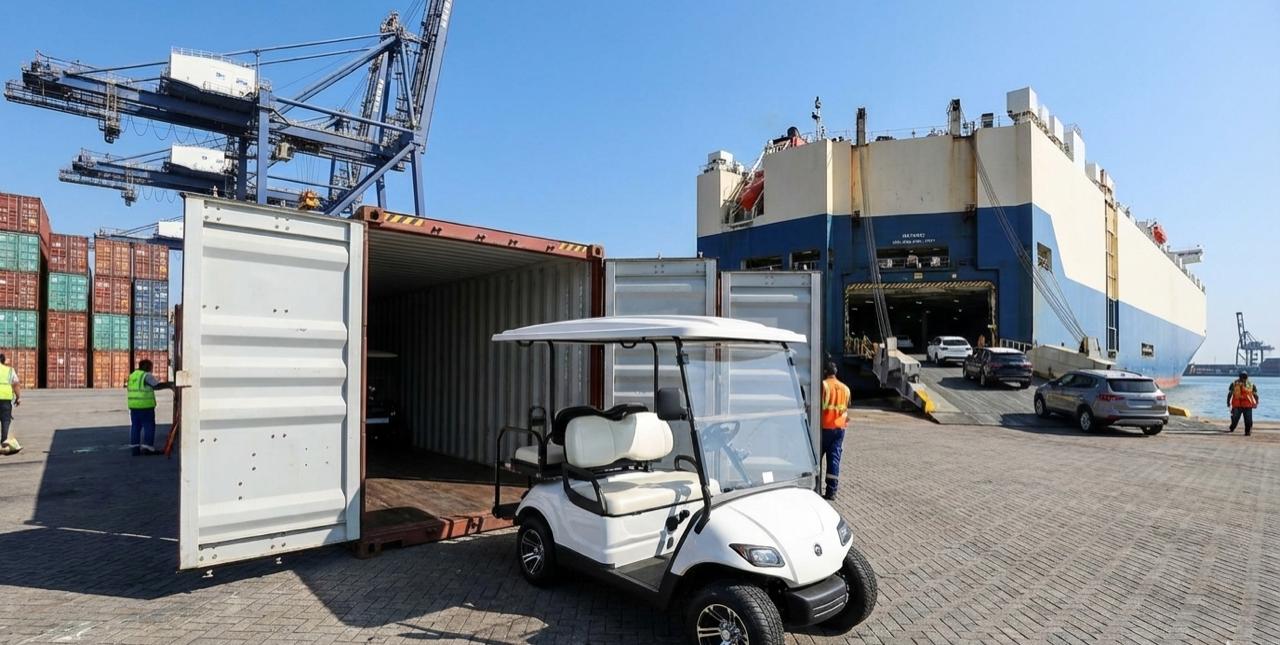
Once you have chosen your golf cart, the next question for an export order is how it travels. There are two main ways to ship a golf cart overseas: in a container or by RoRo. Both get your cart to the destination port. From there it is cleared through customs and, in Europe and Asia, our local partner delivers it to your door. Here is how each method works and how to choose.
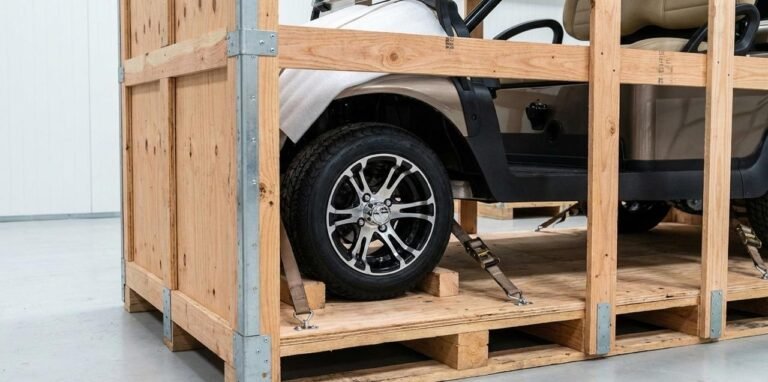
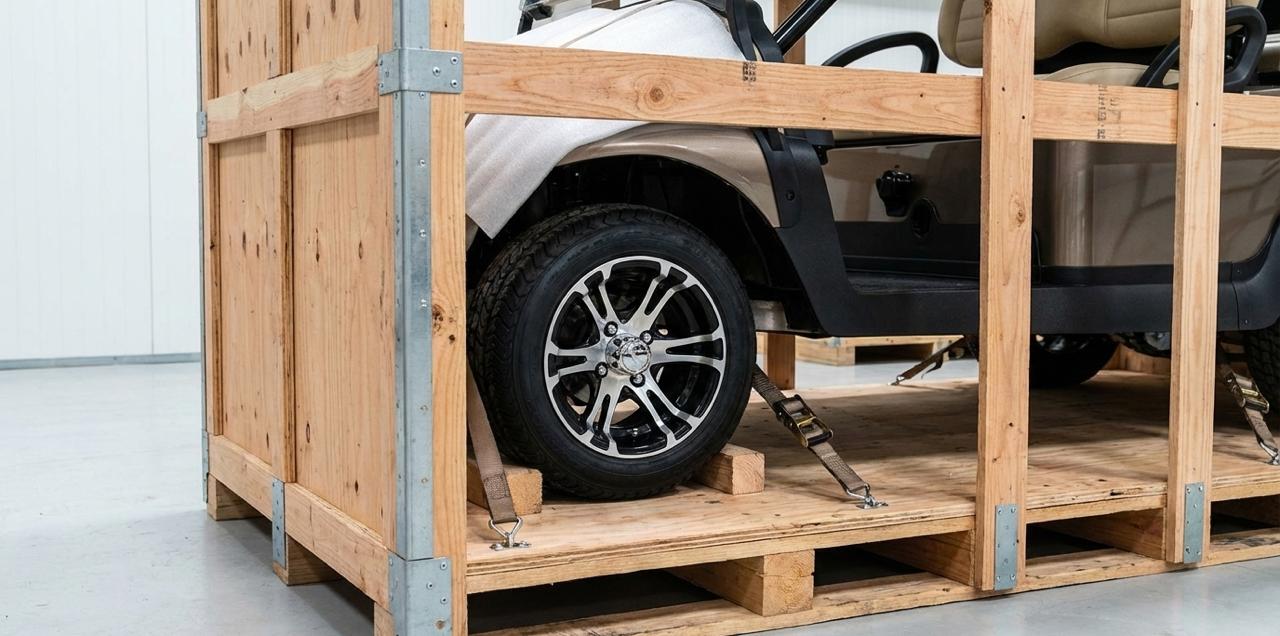
Your carts are loaded into a standard steel shipping container at the U.S. end, secured to stop any movement, and the container is sealed. It travels on a container ship, is unloaded at the destination port and opened only for customs inspection and delivery.
RoRo stands for roll-on, roll-off. Vehicle-carrying ships have ramps and garage-style decks, and your cart is driven or towed on at the U.S. port and off again at the destination. There is no container, so there is less handling and loading cost.
| Container | RoRo | |
|---|---|---|
| Protection | Highest: sealed steel box | Good: covered vehicle deck |
| Best for | 2 or more carts, mixed brands, dealers | A single cart on a RoRo route |
| Cost per cart | Lower as you add carts | Often lower for one cart |
| Accessories and spares | Can ship in the same container | Usually ship separately |
| Routes | Most ports worldwide | Only ports served by RoRo carriers |
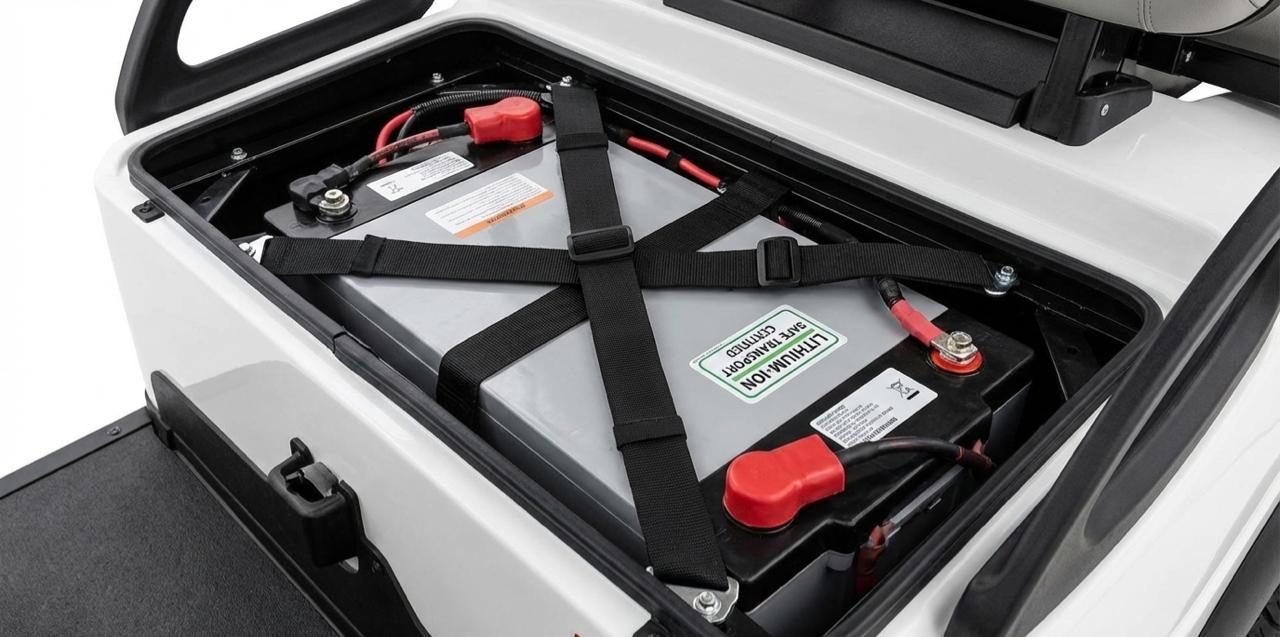
| Lithium batteries | Prepared to dangerous-goods rules | Prepared to dangerous-goods rules |
Choose a container if you are buying two or more carts, mixing brands, adding accessories or spare parts, buying for resale, or want the most protection for a premium cart.
Consider RoRo if you are shipping one cart, your destination port is on a RoRo route, and you want to keep the freight cost down.
Not sure? Tell us the destination and the number of carts. We compare the options for your route and recommend the better one in your quote.
Whichever method you choose, we prepare the carts before they leave:
Ocean transit is usually 10 to 21 days at sea, depending on the route. Allow extra time for preparation and loading in the U.S., and for customs clearance and door delivery at your end.
New to exporting? Start with how to buy a golf cart from the USA and ship it abroad, or see worldwide shipping for documents and a quote form. Dealers can see wholesale golf carts for container pricing.
RoRo means roll-on, roll-off. The cart is driven or towed onto a vehicle-carrying ship and off again at the destination port, without a container.
For a single cart on a RoRo route, RoRo is often cheaper. For two or more carts, a full container usually costs less per cart.
A container gives the most protection, because the carts travel inside a sealed steel box. RoRo carts travel on a covered vehicle deck.
In a container, yes: accessories and spare parts can travel with the carts. RoRo carriers usually do not allow loose items in the vehicle, so they ship separately.
Yes. You can mix Club Car, E-Z-GO, Evolution, STAR EV, Cushman and Denago carts in one container.
Usually 10 to 21 days at sea, plus time for loading, customs clearance and delivery.
Keep reading
U.S. golf cart chargers are built for 110–120V. Here is what changes when you export a cart to a 220–240V country, and how to set up charging correctly.
How buying a new golf cart in the U.S. and shipping it abroad works: the steps, container vs RoRo, export documents, landed costs and what to check in your country.
A 10-step golf cart buying checklist: seats, layout, power, height, street legal, budget, brand, warranty, delivery and getting a written quote.
Questions about this article?
Tell us what you need and where it's going. We'll reply with the best matches and a delivered price.